
The Month of Rest
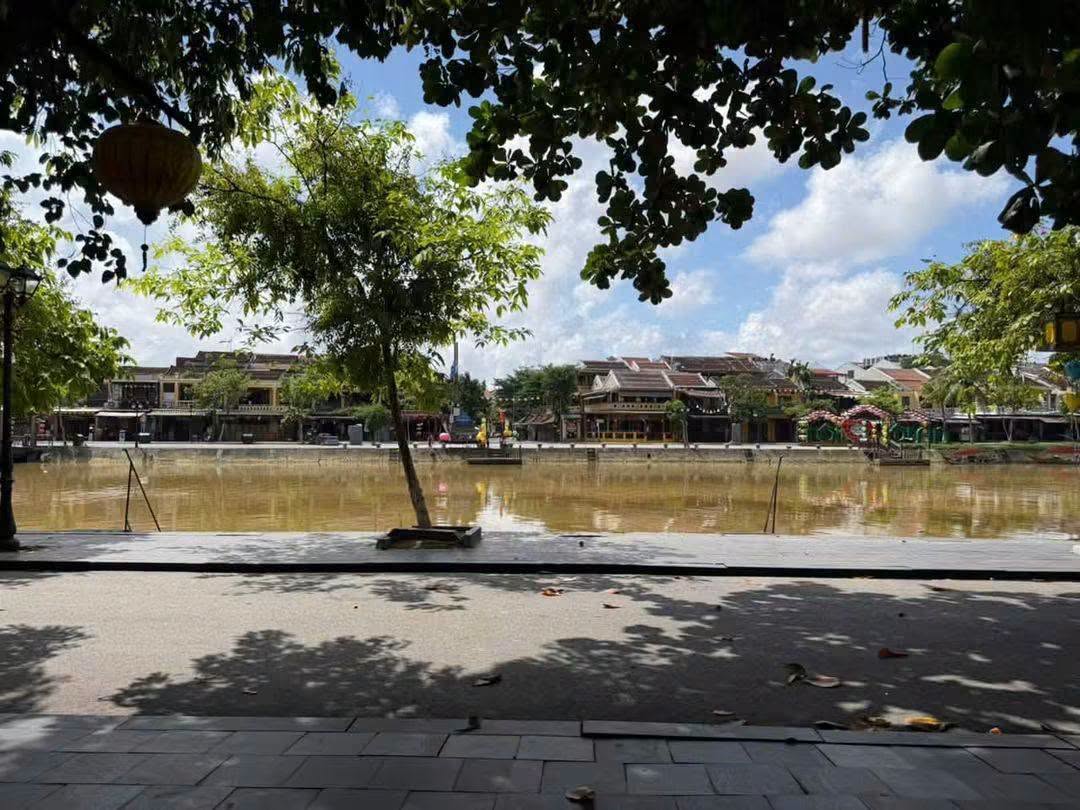
Every wet season, Hội An's old quarter took a month off. So said the chief of staff of the Đà Nẵng People's Committee, a former Party secretary of Hội An ward, at a press briefing on 23 October 2026. The people of Hội An called it a month of rest, he said, when traders and householders spruced up their shops and houses after the floods. October and November, in his account, were always quiet.
The record the Chronicles could find is for Đà Nẵng, a city about 30 km to the north. October averaged 628 mm of rain over 20 days. November averaged 448 mm over 20.3 days. The year came to 2,205 mm, so those two months held about 49% of it, and September to December together about 75%.
He added a detail of the riverfront. In this season, even without rain, the water along Bạch Đằng street lapped the top of the embankment by evening on the high tides, and one heavy storm upstream was enough to flood several streets. Visitors had grown used to it, he said, and so they filed the season under floods and stayed away.
That was the view of the chief of staff, a former party secretary of Hội An ward. Not everyone shared it.
When the Boats Came Out
In October 2020 the old quarter flooded four times. The market moved out to the Chùa Ông temple once more, and many shops that sold to tourists stayed shut after two months of Covid and one of storms and floods. On 1 December the deputy chairman of the city People's Committee said the Thu Bồn river through the old quarter had reached 1.9 m, close to alarm level 3 and still rising. It was the third flood in a month.
On 15 November 2023 the river crested at 1.77 m at 1 a.m. By 7 a.m. it stood at 1.52 m, 0.02 m over alarm level 2. Bạch Đằng street lay under 0.5 to 0.7 m of water. Residents moved about by boat, and a good many visitors waded, rode in boats and took cyclos to see the streets.
A year later, at a press briefing in Quảng Nam on 22 November 2024, the province's vice-chairman called the flood season in Hội An a speciality for visitors. When the water rose, he said, tourists hired small boats to see it, and in all the years before nothing regrettable had happened.
Flooding came every year, and in some years it was something to look at.
A Flood Measured Against 1964
On the night of 26 October 2025 the river rose over Bạch Đằng street and kept climbing. By the morning of 27 October the water there stood more than 1 m deep. Riverside businesses along the Hoài hired boats to carry every guest away. Police and soldiers waited at Chùa Cầu, the Japanese Covered Bridge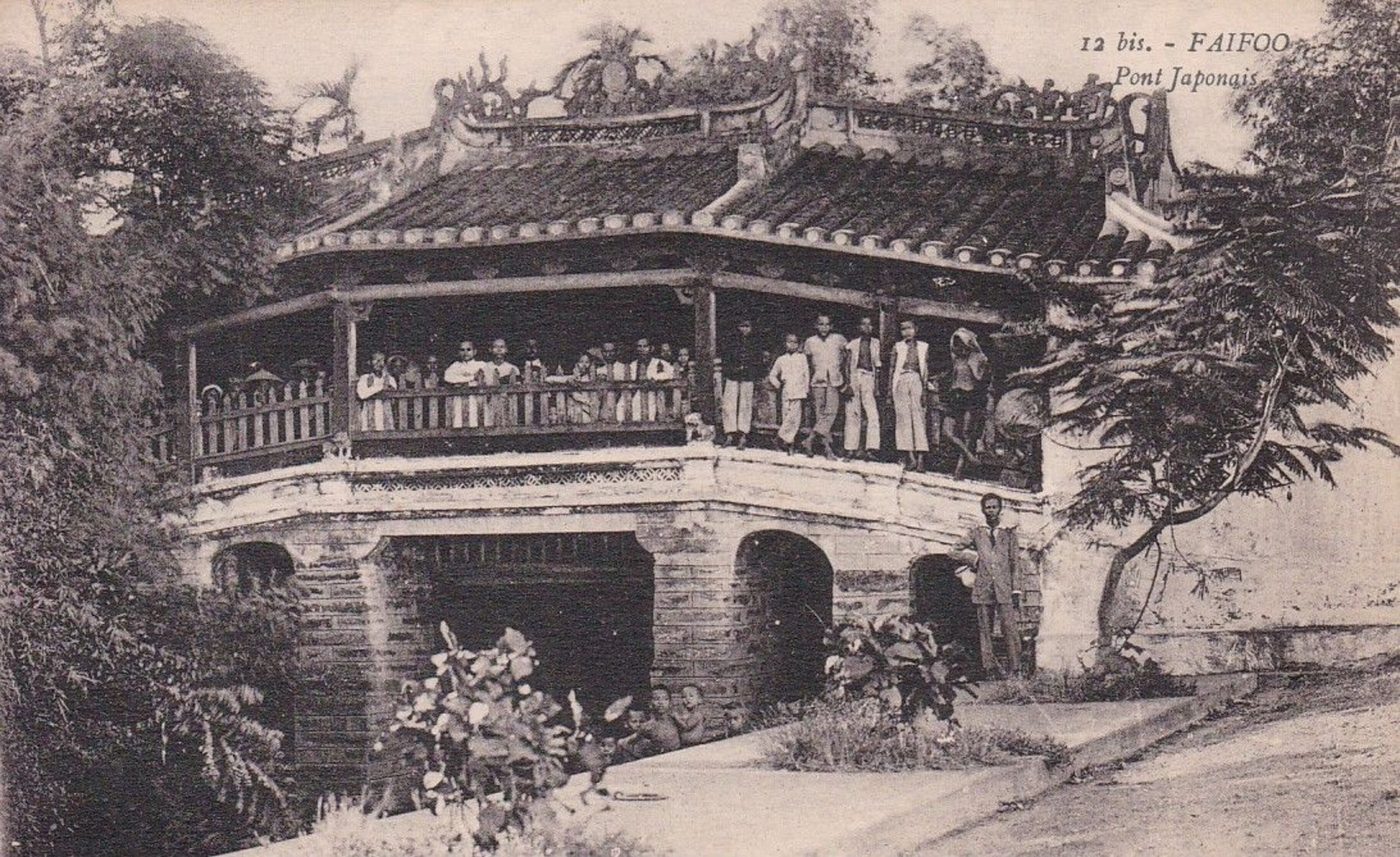 PLACE · ANCIENT TOWNThe Japanese Covered BridgeJapanese merchants paid for it, Vietnamese carpenters built it, a Chinese village kept it, and a Nguyễn lord gave it a name. After eight dismantlings, the part of the four-hundred-year-old bridge that is close to intact is the foundation., to direct the boats. The chairman of Hội An ward said the Hoài was near alarm level 3.
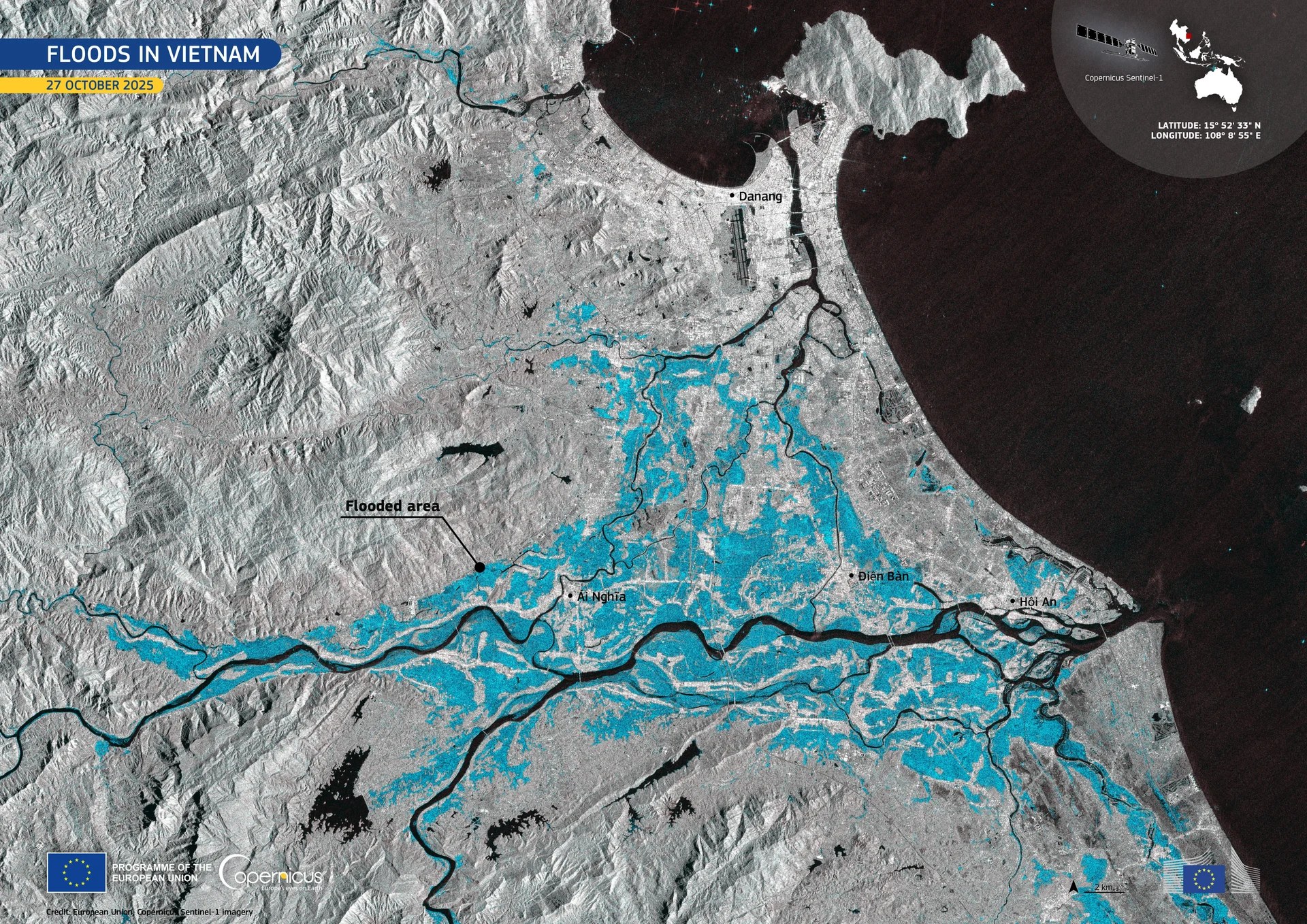 Satellite image 2025 · Contains modified Copernicus Sentinel data 2025
The flood peaked in the small hours of 30 October. The newspaper Người Lao Động recorded 3.37 m at Hội An that day. Large parts of the ward lay under 2 to 3 m of water, and in places 3.4 m. Residents set it against the flood of 1964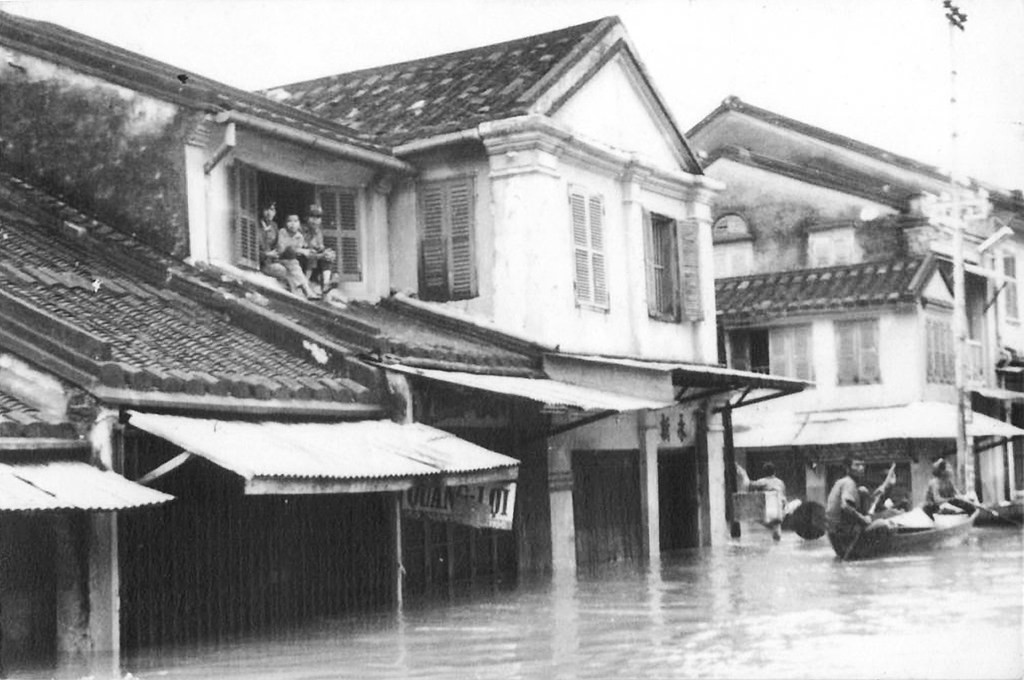 EVENT · FLOODThe Great Flood of 19649 November 1964The high-water mark against which every later flood in the province of Quảng Nam is still measured. The river passed it again in October 2025.: some said it matched that year, some said it passed it.
About 70% of the homes in Hội An went under, and hundreds of businesses shut. More than 300 soldiers and residents went out to clear the mud. Some foreign visitors took off their raincoats and helped load supplies into canoes bound for houses cut off by the water. The flood killed at least 35 people across central Vietnam.
On Friday 31 October the authorities said the old quarter would be ready for visitors again within days. By Saturday 1 November Vietnamese and foreign visitors were walking along the riverbank, while hotels, lantern shops and restaurants were still cleaning.
Flights Cut
From April to June 2026 Jeju Air and Air Busan cut many flights from South Korea to Đà Nẵng. The broadcaster VOV gave the causes as economic and geopolitical uncertainty worldwide and the rising cost of flying.
In May, Korea still topped the list of Đà Nẵng's foreign visitors, with more than 130,800 arrivals, about 18% of the total. But that was 20% below April and only about half of March.
The vice-chairman of the Đà Nẵng Tourism Association told VOV that at many hotels Koreans had once made up more than 45% of foreign guests and now made up about 30%. He put the life of a destination among Korean travellers at three to four years, after which they looked for somewhere new.
The sources gathered for this entry hold no table of visitors to Hội An by nationality. These figures are for Đà Nẵng.
Complaints About Prices
On 30 May 2026 the Đà Nẵng Department of Culture, Sports and Tourism reported that it had checked complaints of overcharging on Cù Lao Chàm island and had found no unreasonable prices there. For the old quarter it checked the prices of two services complained about, and judged that some visitors found prices high because they had booked through a hotel. A motorboat ride on the Hoài ran about 30 minutes for an average of VND 50,000 a person. A basket-boat ride in the Bảy Mẫu coconut forest ran about 40 minutes for VND 150,000 for two. Many operators had not posted their prices in full, as the rules required.
By the end of October the city was still telling the three wards of Hội An, Hội An Đông and Hội An Tây to step up checks on touting, pestering, overcharging and unlicensed hawking. The tourism department proposed a hotline for visitors' complaints.
None of the reports read for this entry gave prices as a reason for the empty streets.
Đà Nẵng Was Not Empty
A report of 5 October said that in the first nine months of 2026 Đà Nẵng served 15.86 million guests in lodgings, 7.73 million of them from abroad. It gave the increase on the same period of 2025 as 26.4%.
That figure sits badly beside another. In October 2025 the same city had announced more than 14.4 million guests for the first nine months of 2025. From 14.4 million to 15.86 million is a rise of only a little over 10%. The reports do not explain the gap, and the Chronicles keeps both numbers.
Nationwide, the first nine months brought 17.7 million foreign visitors, up 14.5%. Korea sent 3 million, down 5.5%. China sent 3.9 million, up 1.5%. Europe grew 55%, and Russia, with about 1.1 million, was its largest source. France grew 13.6%.
Travel firms in Đà Nẵng told Tuổi Trẻ that visitors to Đà Nẵng were still increasing, but that many tours this year left Hội An out of their programmes.
Empty Streets in Fine Weather
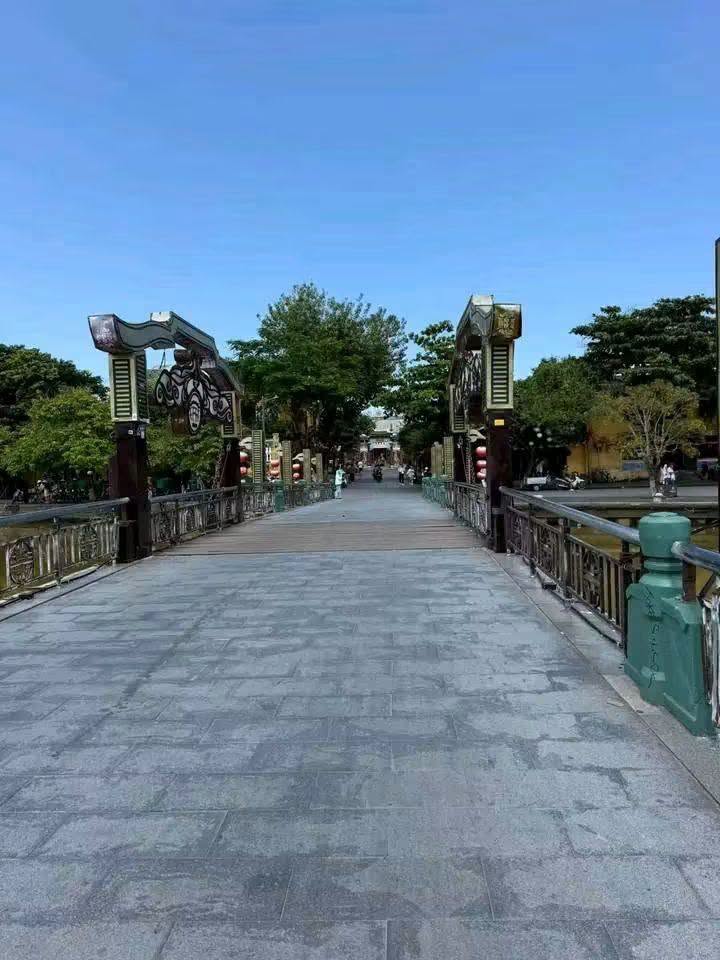
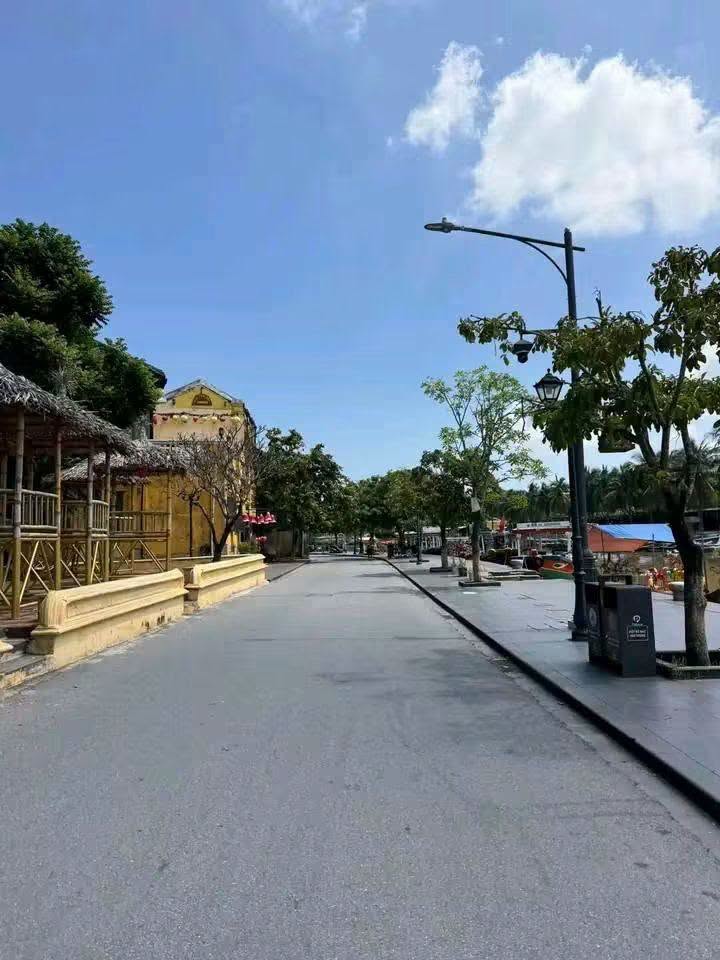
At 9.30 on the morning of 22 October a Tuổi Trẻ reporter found few people on Trần Phú, Nguyễn Thái Học and Bạch Đằng, the busiest streets of the old quarter. A few small groups followed guides. The rest were visitors on their own. At 4 that afternoon a Dân trí reporter noted moments when almost nobody walked along Lê Lợi, Trần Phú or Nguyễn Thái Học.
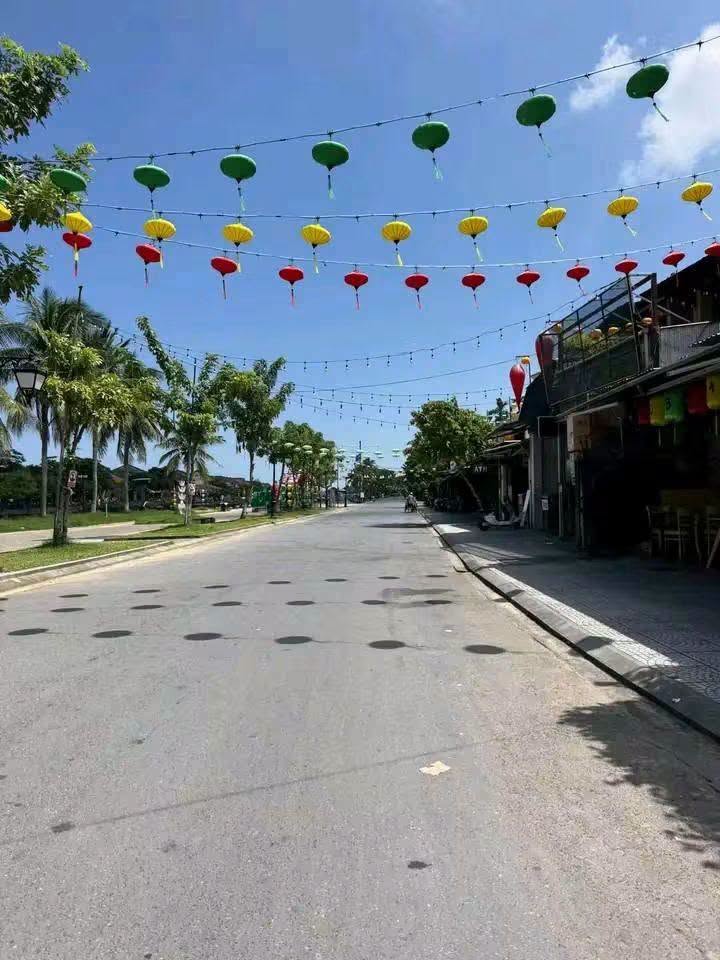
A 72-year-old woman who sold souvenirs on Trần Phú said she had once made a profit of VND 150,000 to 250,000 a day. Since the start of October there had been days when she sat through a whole session without, it seemed, selling a thing.
The weather was fine. Tuổi Trẻ noted that Hội An had been sunny for weeks. One owner of a guesthouse said the weather was good, the sun out and the quarter quiet, ideal for sightseeing, but visitors were missing. Flights were not dear either: a survey on 24 October gave one-way fares from Hà Nội or Hồ Chí Minh City to Đà Nẵng of about VND 700,000 to 1.5 million.
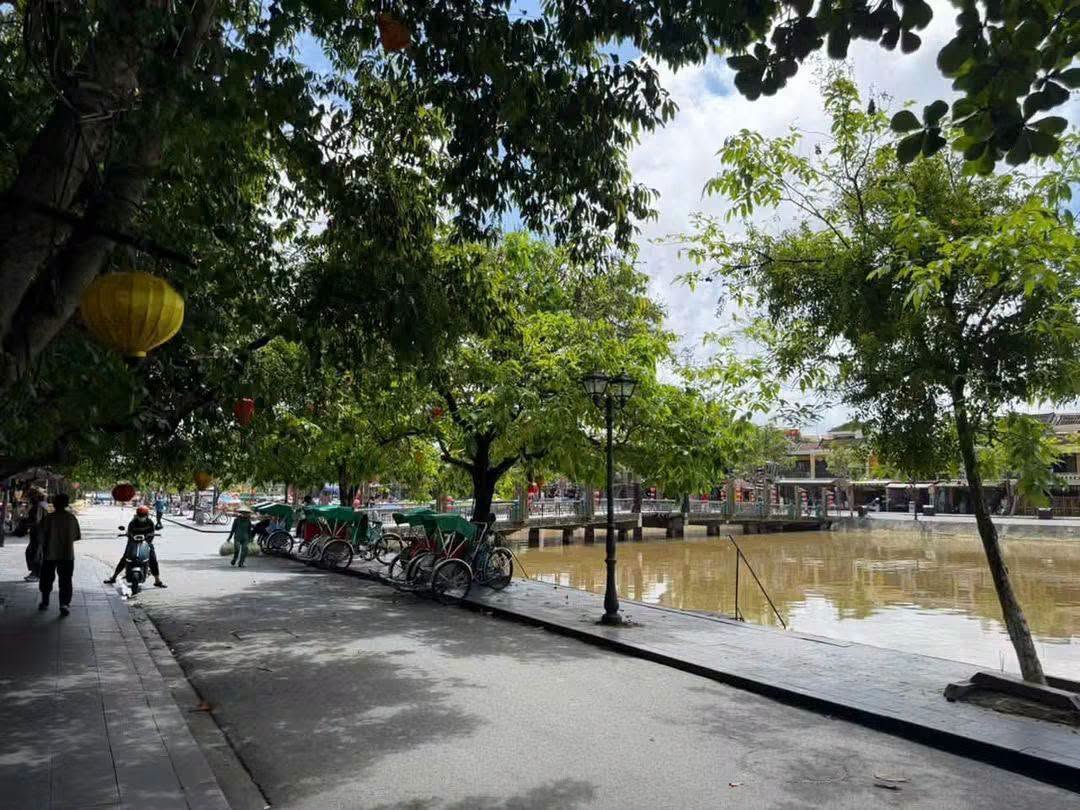
Residents said the queues at the quarter's best-known bread and drink stalls once showed how busy the streets were. That week customers walked straight up to the counter.
One Count, Many Accounts
The body that counts visitors to the old quarter is the Hội An World Heritage Conservation Centre, which sells the entry tickets. From 6 September to 10 October it sold tickets to 121,402 visitors, 110,690 of them foreign and 10,712 Vietnamese, for more than VND 14.1 billion. For 1 to 20 October alone, ticket sales fell about 20% against the same days of the year before, according to figures Tuổi Trẻ obtained. For the first nine months of the year, ticket revenue was more than VND 147 billion, down 2.78%.
Tickets count only part of the crowd. In 2024 the old quarter received about 4.4 million visitors and sold 1.78 million tickets, about 40%. In 2025 it received nearly 5 million and sold 1.71 million, about 35%. Anyone who walked in without visiting a ticket booth is not in the figure.
The rest are accounts, each at a different level. A ward official said visitors were down to about 50% of previous years. One hotel said bookings for September and October stood at 40% against 60% a year earlier. Another said bookings were down 20 to 30%. A bamboo-craft workshop said tour bookings were down about 70%. A travel company said groups that once numbered 30 now numbered 15 to 17. A guesthouse owner said cancellations for October and November ran at about 50%.
Two old houses saw it differently. The caretaker of an old house on Nguyễn Thái Học said visitors were down 40 to 50%. The owner of another, on Nguyễn Thị Minh Khai, said October was lower but not by much.
Of the figures above, only the fall of about 20% is a count by the managing body for a like-for-like period. The others are accounts.
Normal or Not
On 23 October, at the city's third-quarter press briefing, two officials answered the same question, and both began by calling it the low season. The chief of staff of the People's Committee said that emptiness at this time of year was normal and had happened for many years, not only this one. Long-time traders in the old quarter found it normal, he said, while people from elsewhere who rented premises there found it strange.
He added that visitors came back from around Christmas and stayed through the solar and lunar new years. In some years tourists arrived in the middle of a flood and stayed, and crowds went out on the streets by boat, and the quarter was lively. This year that did not happen.
The deputy director of the city Department of Culture, Sports and Tourism added another layer. Since Quảng Nam and Đà Nẵng merged, she said, the press had often tagged news of storms and floods in the Quảng Nam area with the name Đà Nẵng, so foreign visitors could take the whole region to be under disaster. Many large groups expected in the city in the fourth quarter had cancelled for fear of the weather.
Traders spoke differently. A tourism worker with more than 20 years in Hội An said that, leaving Covid aside, this was one of the quietest seasons he had known at this time of year. A woman who sold clothes on Lê Lợi remembered that last October, flooded as it was, visitors still came to eat and shop, and this year they were strangely few.
The big flood of last year did not arrive until the night of 26 October. The 20% above covers the first 20 days of the month.
November Had Not Yet Come
At the end of October, people in the trade looked ahead in two directions. One hotel said bookings from November onward had reached 60%, a little above earlier years. The director of a travel company serving Southeast Asian and Indian visitors said arrivals would rise from November and recover fast in December. The director of a tour company at Trà Quế vegetable village said visitors tended to dodge disasters and make up for it at the end and start of the year.
The director of the Conservation Centre expected recovery from the end of November, citing a survey of firms and a forecast by the operator of Đà Nẵng's international terminal, with more visitors from ASEAN countries and Russia.
One old-house caretaker told the opposite story. Guides were cancelling November tours in bulk, and one had lost more than ten groups at once. She said December was always a low month, and that some guides expected bookings to pick up from January.
As for the sky, the national seasonal forecast of 16 June 2026 put storms and tropical depressions for October to December below the multi-year average of 4.5, of which about 1.9 usually made landfall.
This entry stops at 26 October 2026, before November began.
- Dân trí (Công Bính), “Hội An mùa vắng khách — Dân trí, 23/10/2026”
- Tuổi Trẻ (Thái Bá Dũng), “Khảo sát nhanh của Tuổi Trẻ về hiện trạng 'vắng khách ở phố cổ Hội An': Giảm 20% đến 70% — 24/10/2026”
- Tuổi Trẻ (Thái Bá Dũng), “Khách đến phố cổ Hội An giảm 20%, booking tăng mạnh từ tháng 11 — 26/10/2026”
- Tuổi Trẻ, “Vì sao đón 4–5 triệu lượt khách mỗi năm nhưng chỉ 1/3 người mua vé vào phố cổ Hội An? — 18/10/2026”
- Tuổi Trẻ (Bá Dũng), “Phố cổ Hội An mùa này vắng chi mà vắng — 22/10/2026”
- Tuổi Trẻ, “Phố cổ Hội An vắng khách do mùa thấp điểm hay còn nguyên nhân khác? — 23/10/2026”
- Sức khỏe & Đời sống, “Đà Nẵng lên tiếng về thông tin 'Hội An vắng khách' — 23/10/2026”
- Sức khỏe & Đời sống (Bích Vân), “Dân phố cổ Hội An nói gì về tình trạng vắng khách du lịch — 24/10/2026”
- Tiền Phong, “Vì sao Hội An vắng khách — họp báo quý III/2026”
- Dân trí, “Chuyên gia lý giải nguyên nhân Hội An vắng khách — 23/10/2026”
- Người Lao Động (đăng lại trên Tuổi Trẻ), “Toàn cảnh Hội An trong đỉnh lũ lịch sử, vượt mức năm 1964 — 30/10/2025”
- Tuoi Tre News (Reuters), “Vietnam's Hoi An to reopen to tourists within days after historic floods — 1/11/2025”
- Tuoi Tre News (Reuters), “Tourists return to Vietnam's Hoi An as cleanup efforts progress after floods — 2/11/2025”
- Tuoi Tre News, “Foreign visitors deeply moved by historic flooding in Hoi An Ancient Town — 31/10/2025”
- CafeF (theo Tiền Phong), “Khẩn cấp sơ tán du khách rời Hội An — 28/10/2025”
- VTC News, “Hội An đón đợt lũ lớn nhất từ đầu năm, dân bơi thuyền đi lại trong khu phố cổ — 15/11/2023”
- VietnamFinance, “Lũ lụt trở thành đặc sản du lịch Hội An — 22/11/2024”
- Wikipedia, “Da Nang — bảng khí hậu (trạm Đà Nẵng)”
- VietnamPlus, “Du lịch Đà Nẵng 9 tháng 2026: Tăng trưởng ấn tượng với hơn 15,86 triệu lượt khách — 2026”
- Nhà đầu tư, “Trong 9 tháng, Đà Nẵng thu hút hơn 14,4 triệu lượt khách — 2025”
- VietnamPlus (VNA), “Vietnam welcomes 17.7 million international visitors in January–September — 2026”
- Báo Văn hóa, “Khách quốc tế đến Việt Nam 9 tháng 2026 tăng 14,5%”
- Dân Việt, “Đà Nẵng có thể hứng mưa lớn, xuất hiện lũ trong đợt mưa kéo dài tới ngày 8/10 — 6/10/2026”
- VietnamPlus, “Dự báo có 6–7 cơn bão, áp thấp nhiệt đới xuất hiện trong 3 tháng tới — 2026”
- VOV, “Sụt giảm khách Hàn Quốc tại Đà Nẵng, có đáng lo — 23/6/2026”
- VnExpress, “Phố cổ Hội An sau bão lũ — 1/11/2020”
- Tuoi Tre News, “Hoi An ravaged by third flood within a month — 2/12/2020”
- Tuổi Trẻ, “Chưa phát hiện 'chặt chém' du khách trên đảo Cù Lao Chàm và phố cổ Hội An — 30/5/2026”
- European Union, Copernicus Sentinel-1, “Devastating flooding in Vietnam — ảnh radar Sentinel-1 ngày 27/10/2025 (trang tệp Wikimedia Commons)”
